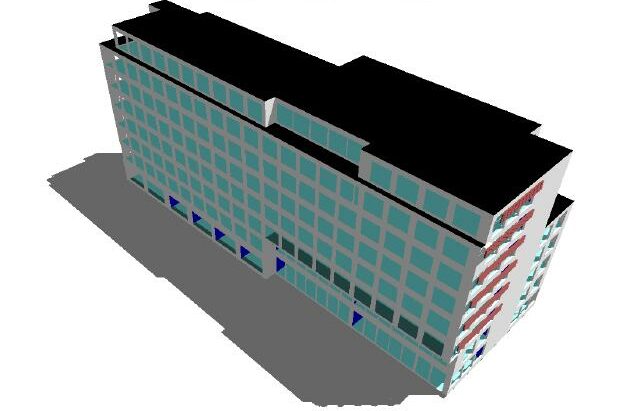
Using specialised dynamic thermal simulation software, we undertake thermal comfort studies aiming at optimising a building’s design, so as to achieve the desired (or required) internal comfort conditions.
For determining the appropriate thermal comfort levels for each type of space, both national as well as international published literature and guidelines are used e.g. EN 16798, EN ISO 7730, CIBSE Guide A for Environmental Design (UK), ASHRAE Standard 55 etc.
Thermal comfort assessments take into consideration: the building’s geometry and orientation; the surface areas and properties of construction materials; internal gains from occupants, lighting, electrical equipment; the strategies and systems used to provide space heating / cooling / ventilation / lighting; as well as the changing outdoor climate conditions.
Dynamically assessing the interaction between the above parameters, it is possible through such studies to calculate, for each area of a building:
the estimated risk of overheating during the summer months
the estimated internal temperatures at different times of the year
the estimated “thermal comfort indices” PMV (Predicted Mean Vote) and PPD (Percentage People Dissatisfied) at different times of the year
Based on the results of the assessment:
we can evaluate alternative options for the design of the building envelope and the strategies for providing space heating, cooling, ventilation
we can recommend to the Client / design team, appropriate design solutions for achieving internal thermal comfort, quantifying the estimated benefits
Indicative recommendations may include:
alternative glazing / openings’ configuration on the facades
use of glazing with the appropriate solar characteristics
use of shading systems
modification of the strategy for cooling / heating / ventilation / lighting
For more information please do not hesitate to Contact us